Raising polite, kind, and emotionally intelligent children is harder today than ever. Parents and teachers are constantly looking for simple, effective tools that help reinforce good behavior and social values—without lectures or punishments. If you’ve ever found yourself repeating “Say please!” or “What do we say after getting a gift?”—you’re not alone.
That’s exactly where a magic words chart becomes a game-changer.
Whether you’re a parent trying to instill manners at home, or an educator building a positive classroom culture, a magic word chart is one of the most powerful visual tools you can use to help children learn kindness, empathy, and respect.
What Is a Magic Words Chart?
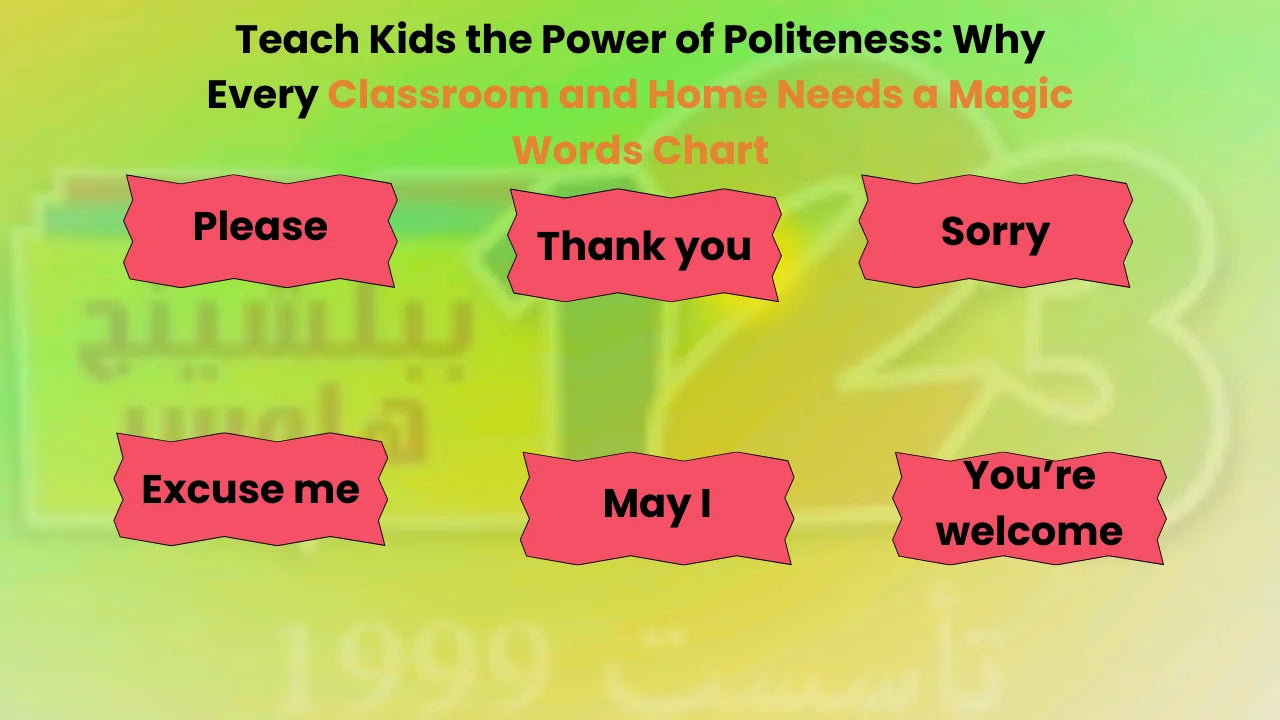
A magic words chart is a colorful, engaging visual aid that lists essential polite words and phrases children should use in daily life. These include:
-
Please
-
Thank you
-
Sorry
-
Excuse me
-
May I
-
You’re welcome
When these words are used sincerely and consistently, they have the power to transform communication and create a more positive environment—both at home and at school.
But what makes it “magic”? The simplicity and visual repetition help children naturally absorb manners without stress or scolding. It turns politeness into a fun, empowering habit.
Why Use a Magic Words Chart in Early Childhood Education?
Builds Foundational Social Skills
In early childhood, visual learning is critical. A magical words chart turns abstract concepts like politeness and empathy into tangible behaviors that children can practice every day.
It helps kids:
-
Understand the value of kindness
-
Communicate better with peers and adults
-
Handle conflict more calmly
-
Build confidence in social settings
Reinforces Positive Behavior at Home
For parents, a magic words chart with pictures serves as a gentle, non-verbal reminder. Instead of repeating the same instructions, just point to the chart. This helps reduce power struggles and builds independence.
Features to Look for in a High-Quality Magic Words Chart
Not all charts are created equal. The most effective ones typically include:
Pictures with Each Word
Using illustrations alongside the words helps younger children—especially pre-readers—understand the meaning through context. For example:
-
A child handing a toy with “Please”
-
A child receiving a gift with “Thank you”
-
Two kids resolving a fight with “Sorry”
This is where a magic words chart with pictures outshines basic text charts.
Durable, Classroom-Ready Design
For teachers, the best charts are laminated or printed on thick cardstock. They should be large enough to display on a wall where all students can see.
Multilingual Options
If you’re in a diverse community, having a magical words chart in both English and a second language (like Arabic, French, or Urdu) increases accessibility and inclusion.
How to Use a Magic Word Chart in the Classroom
Here are some practical tips to get the most out of your chart in a school setting:
Daily Morning Routine
Start each day with a quick review of the chart. Say each word out loud and invite students to give real-life examples.
Role-Playing Activities
Have children act out situations where each magic word would be used. This builds muscle memory and social awareness.
Sticker Reward Systems
When a child uses one of the magic words in context, reward them with a sticker next to the corresponding word. Simple, effective reinforcement.
Real-World Success: Stories from Teachers and Parents
Mrs. Rodriguez, a kindergarten teacher in Manchester, UK, shares:
“I started using a magical words chart from 123 Publishing House last year. Within two weeks, I noticed fewer interruptions and more respectful behavior. My students remind each other now—‘You forgot the magic word!’ It’s adorable and effective.”
Sana, a parent of three, says:
“Our dinner table conversations used to be chaotic. Since we put up a magic word chart in the kitchen, my kids are way more mindful. Even my 3-year-old says ‘Excuse me’ before jumping in!”
Comparing Magic Word Charts: Which One Is Right for You?
| Feature | Basic Word Chart | Magic Words Chart with Pictures | 123 Publishing House Chart |
|---|---|---|---|
| Text Only | ✅ | ✅ | ✅ |
| Illustrated Examples | ❌ | ✅ | ✅ |
| Laminated/Reusable | ❌ | ✅ | ✅ |
| Multilingual Options | ❌ | ✅ | ✅ |
| Printable & Poster Versions | ✅ | ✅ | ✅ |
| Designed by Child Educators | ❌ | ❌ | ✅ |
Looking for a tried and tested solution? 123 Publishing House’s Magic Words Chart checks all the boxes—perfect for both educators and parents.
Where to Use a Magic Words Chart
You can hang or post a magic word chart in several strategic spots:
-
Preschool and kindergarten classrooms
-
Children’s bedrooms
-
Dining areas
-
Bathrooms (great spot for “Excuse me” and “Sorry”)
-
Home learning corners
The idea is to keep it visible and accessible so children are gently reminded throughout the day.
Bonus: Make It Interactive!
For even more impact, pair the chart with:
-
Flashcards: Reinforce words during circle time or at bedtime.
-
Coloring Pages: Let kids color scenes for each magic word.
-
Storybooks: Read books that demonstrate the use of these words in context.
These activities help anchor the meaning emotionally—not just intellectually.
Related Educational Wall Charts
Looking for more classroom and character-building resources? Explore our educational wall charts designed to help children develop communication skills, good habits, language abilities, and positive behaviour through visual learning.
Magic Words Chart for Kids
A magic words chart helps children learn polite expressions that improve communication and social skills. These simple words encourage kindness, respect, and positive behavior in everyday situations.
Teachers and parents often use a magic words chart with pictures to make learning more engaging for young children. Visual examples help kids remember when and how to use these important expressions correctly.
Common Magic Words for Children
- Please
- Thank You
- Sorry
- Excuse Me
- Pardon Me
- May I?
- You're Welcome
A magic words chart for classroom use can encourage good manners, improve student interactions, and create a positive learning environment. Many kindergarten and preschool teachers display colorful charts to reinforce these habits every day.
FAQs About Magic Words Charts
What is a magic words chart?
A magic words chart is a visual educational tool that teaches children polite expressions such as please, thank you, sorry, and excuse me.
Why are magic words important for kids?
Magic words help children develop good manners, respectful communication skills, and positive social behavior.
How do teachers use a magic words chart?
Teachers display magic words charts in classrooms to remind students to use polite language during daily interactions.
What are the five magic words?
The most common magic words are please, thank you, sorry, excuse me, and pardon me.
FAQs About Magic Words Charts
What age is appropriate for a magic words chart?
Magic word charts are ideal for children aged 2 to 8, though even older kids benefit from the reminders. For pre-readers, charts with images are most effective.
Can I make my own magic words chart?
Yes, but ready-made charts save time and are often designed by educators. If you prefer DIY, be sure to include:
-
Visuals
-
Bright colors
-
Real-life examples
-
Positive reinforcement tips
Is it only for schools?
Not at all! These charts are equally useful in:
-
Homeschooling settings
-
Daycares
-
Homes with toddlers
-
Therapy centers (especially speech or behavior therapy)
Do these charts work for children with special needs?
Yes. Visual charts can be especially helpful for children with autism, ADHD, or speech delays. They provide a structured way to learn social communication skills.
Final Thoughts: Small Words, Big Impact
A magic words chart might seem like a small tool, but its effects are profound. In a world where manners sometimes feel like a lost art, giving kids a visual reminder to be kind, thankful, and respectful is one of the best gifts you can give.
Whether you’re nurturing your child’s manners at home or managing a lively classroom, a magic words chart with pictures is your secret weapon for raising emotionally intelligent, polite humans.
Start using one today and watch the “magic” happen.
Supporting Children's Learning Through Visual Education
Educational wall charts help children learn faster by combining visual learning with repetition and everyday practice. They are widely used in schools, classrooms, learning centres, and homeschooling environments to reinforce key concepts and positive behaviours.
Ready to Make Politeness a Habit?
Browse our collection of educational charts at 123 Publishing House and discover beautifully designed, durable, and teacher-approved tools to support your child’s growth. Our magic words chart is available in both print and digital formats, perfect for parents, educators, and caregivers.


Leave a comment
This site is protected by hCaptcha and the hCaptcha Privacy Policy and Terms of Service apply.