

A healthy habits chart turns daily routines into something children can see, follow and tick off on their own.
Children learn through repetition and visuals. When a routine is written on a wall where they see it every morning, it stops being an instruction from an adult and becomes something they own. That shift is what makes visual habit charts work in classrooms and at home.
Why a Healthy Habits Chart Works
A habits chart is more than a list. It is a visual record of the small actions that build into long-term routines. Behaviour research shows that when progress is visible, children stay motivated far longer. Ticking a box after washing hands or finishing homework gives an immediate sense of completion, and that feeling is what makes a child want to repeat the action tomorrow.
What a habits chart does
- Makes routines visible and structured
- Builds consistency through daily repetition
- Encourages responsibility without constant reminders
- Helps children distinguish good habits from bad ones
- Reduces morning and bedtime arguments
- Shows how small daily actions add up over time
10 Healthy Habits for Children
These are the habits most commonly included on a healthy habits chart for primary-age children:
- Washing hands before meals and after play
- Brushing teeth morning and night
- Eating fruit and vegetables every day
- Drinking water instead of sugary drinks
- Sleeping and waking at the same time
- Staying active for at least an hour a day
- Tidying up after playing
- Completing homework before screen time
- Being polite to family, friends and teachers
- Keeping the classroom and bedroom clean
Why Choose the Healthy Habits Wall Chart
The Healthy Habits Wall Chart helps children develop positive daily routines through clear visuals and simple reminders. Designed for classrooms, study areas and homes, it encourages healthy choices that can last a lifetime.
- Laminated wipe-clean surface — mark progress with a whiteboard marker, wipe and start a new week
- QR audio guide — scan for a downloadable audio-visual version
- Large clear print — readable from across a classroom
- Bright illustrated design — holds a young child's attention
- Durable finish — built to last a full academic year
Using the Chart in the Classroom
Morning review
Start the day by reading through the chart together. Ask the class which habits they managed yesterday and which they forgot.
Sticker rewards
Place a sticker beside each habit a child completes. Simple, immediate and effective — especially for ages five to eight.
Weekly reset
Wipe the chart clean every Sunday or Monday so each week starts fresh. A clean slate stops children feeling they have already failed.
Using the Chart at Home
Hang it where the routine actually happens — the bathroom for teeth and handwashing, the bedroom for sleep and tidying, the kitchen for meals and water. Children respond to reminders placed where the action takes place, not on a noticeboard in the hallway.
Good Habits and Bad Habits
Part of what a chart teaches is the contrast. Children understand rules better when they can see both sides:
- Good habits — eating fruit, staying active, sleeping on time, tidying up, being kind
- Bad habits — skipping breakfast, too much screen time, staying up late, eating sweets between meals
Who Can Use This Chart
- Teachers — reinforce healthy routines across the class
- Parents — encourage positive habits at home without repeating instructions
- Students — track daily habits and personal goals independently
- Homeschool families — support structured daily learning
- Nurseries and childcare centres — build healthy behaviour visually
FAQs About Healthy Habits Charts
What are 10 healthy habits for kids?
Brushing teeth, washing hands, eating fruit and vegetables, drinking water, sleeping on time, staying active, tidying up, completing homework, being polite, and keeping their space clean.
What age is a healthy habits chart for?
Most effective between ages 3 and 11. Younger children respond best to charts with pictures beside each habit; older children can manage written habits and weekly tracking.
What are Grade 3 healthy habits?
Grade 3 pupils are usually encouraged to practise hygiene, complete schoolwork on time, eat healthy snacks, respect teachers, keep their environment clean and stay physically active.
How long does it take a child to form a habit?
Research suggests most simple daily habits take between three and eight weeks to become automatic in children. Consistent visual tracking shortens that period noticeably.
Should the chart be daily or weekly?
Daily for hygiene and routine habits like brushing teeth. Weekly works better for habits that do not repeat every day, such as tidying a bedroom or reading a full book.
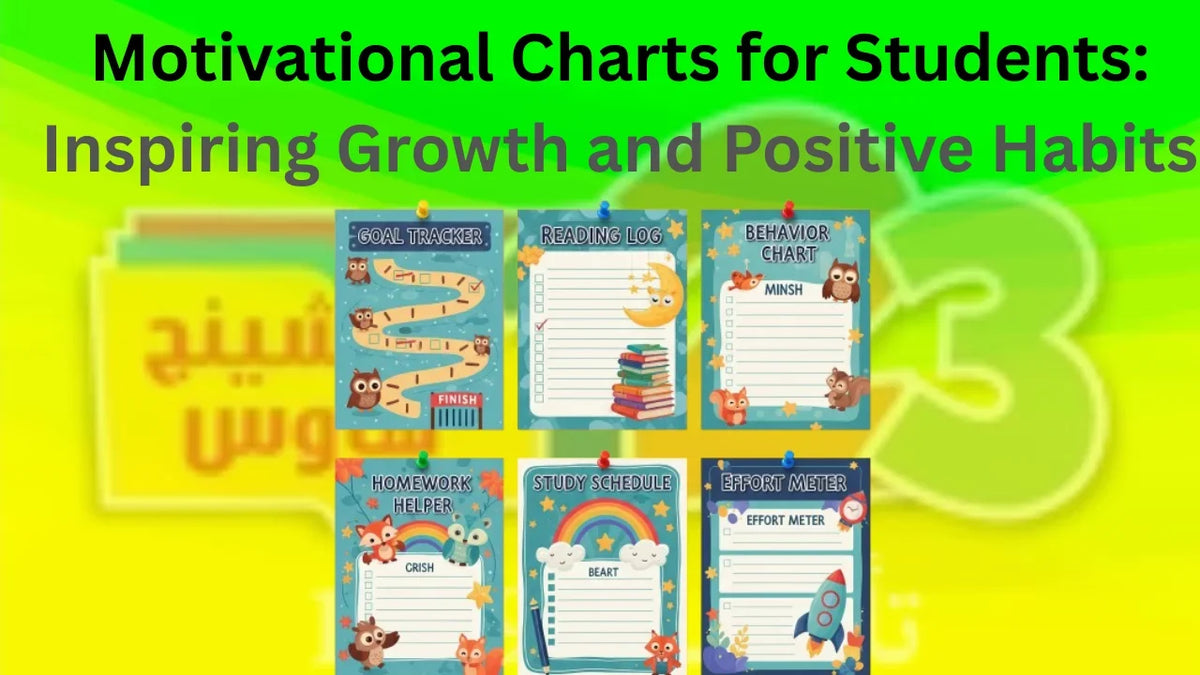
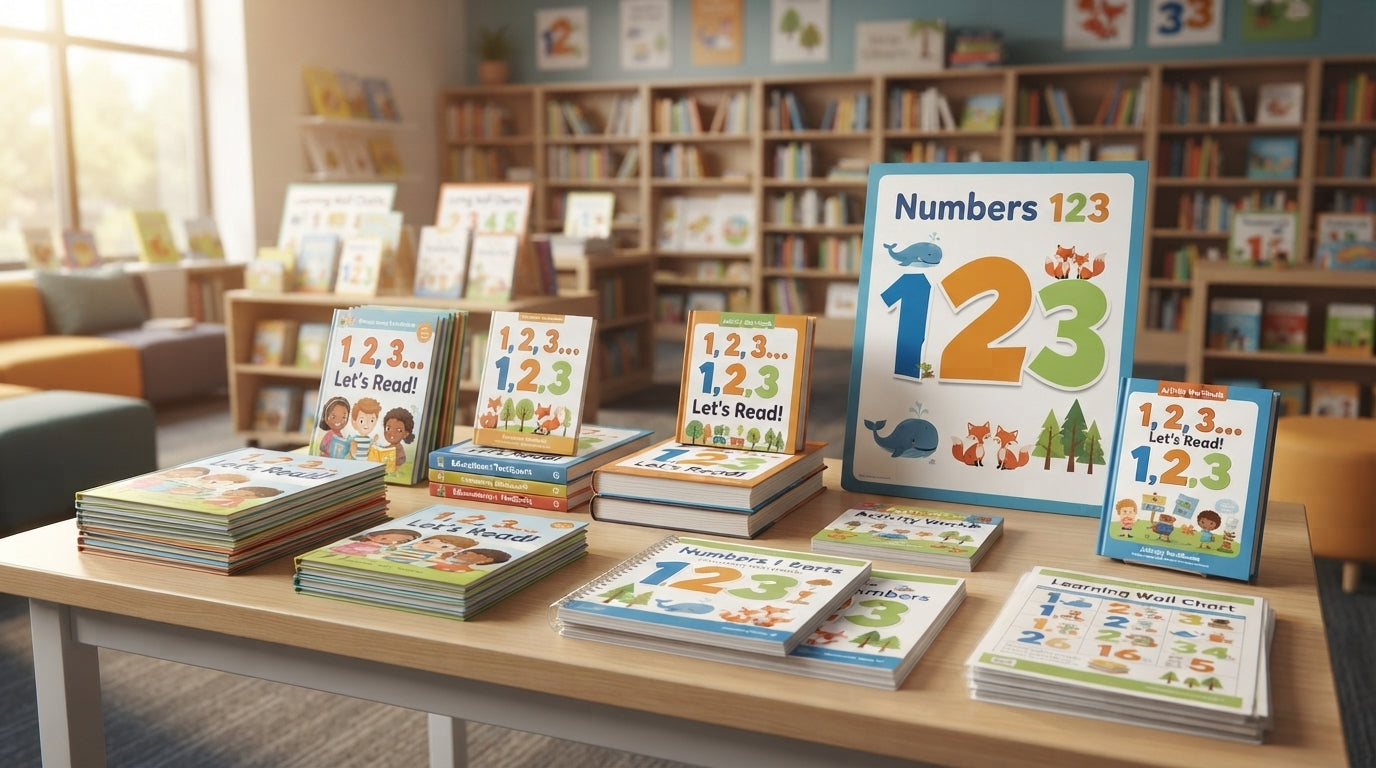
Related Educational Wall Charts
Build Positive Habits Every Day
The Healthy Habits Wall Chart is a simple, effective tool for encouraging healthy routines, responsibility and self-discipline. Used at home or in the classroom, it gives children daily visual reminders that turn good choices into lifelong habits.




Leave a comment
This site is protected by hCaptcha and the hCaptcha Privacy Policy and Terms of Service apply.